“Mumbai’s next phase of growth is extending beyond its traditional urban centres into a cohesive network of connected regional corridors.”
As infrastructure improves across the wider Mumbai Metropolitan Region (MMR), emerging corridors such as Panvel, Karjat, Khalapur, Pen and Alibaug are attracting increasing attention from homebuyers, land investors and developers alike.
A recent report by PropNewsTime, based on a Press Trust of India (PTI) release, highlights the surging demand for plotted developments and planned communities across these emerging MMR corridors.
This shift is not accidental. It is the natural outcome of two powerful forces converging: unprecedented connectivity improvements and fundamentally changing buyer preferences.
Infrastructure Is Driving the Shift
Major infrastructure projects are fundamentally altering how people perceive locations outside established city centres. For decades, areas beyond Thane and Navi Mumbai were considered distant weekend getaways or remote hinterlands. Today, high-capacity arterial transit is redefining geography into travel time.
Bridges South Mumbai to the mainland in under 20 minutes, linking Sewri directly to Chirle and unlocking the entire Raigad belt.
Creates a massive aerotropolis anchor for commercial, logistics, aviation and hospitality growth right at the heart of Navi Mumbai.
A 126-km high-speed expressway providing orbital connectivity connecting NH-8, Mumbai-Pune Expressway and coastal Alibaug.
The Panvel–Karjat suburban railway doubling and upgraded connectivity integrate foothill towns directly into the MMR commuter grid.
As connectivity strengthens between Mumbai, Navi Mumbai and the wider MMR, locations that were once considered peripheral are increasingly becoming part of the region’s larger growth network. Commuters and families can now reasonably consider living or owning a retreat in these scenic foothill belts while remaining plugged into the commercial engine of the metropolis.
Why Plotted Developments?
Changing buyer preference is another crucial driver of this trend. While high-density high-rise apartments have dominated Mumbai’s central urban areas, buyers are increasingly looking for autonomy, openness and long-term asset security.
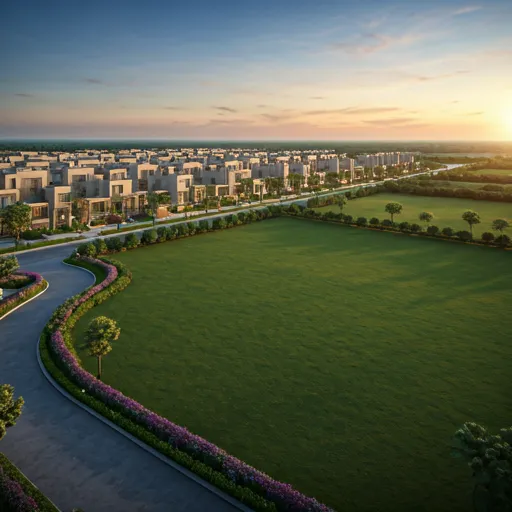
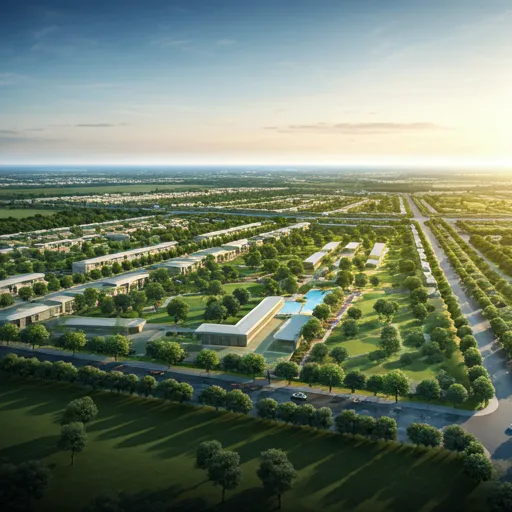
Plotted developments offer buyers the unmatched flexibility of owning physical land with complete freehold rights. At the same time, when developed as organised, gated communities, they provide planned internal infrastructure, wide motorable roads, security, reliable utilities, open landscaped green spaces and lifestyle amenities like clubhouses and recreational zones.
The report highlights key demographic segments driving this demand:
Looking to enter the property market early with a tangible, appreciating asset that fits realistic budgets compared to hyper-inflated urban apartments.
Corporate leaders and families seeking peaceful, green environments within 60 to 90 minutes from the city to recharge on weekends while working flexibly.
Seeking secure, professionally managed land parcels that serve as a strong hedge against currency inflation and build generational wealth for their families.
However, emerging locations also make due diligence paramount. Buyers should look beyond the marketing brochure and consider factors such as title clarity, documentation, permissions, connectivity and the credibility of the developer.
Essential Due Diligence in Emerging Corridors
When rapid infrastructure development catches public attention, speculation often follows. As someone who has spent over 26 years navigating Maharashtra land records and title laws, my advice to every prospective plot buyer has never wavered:
Never invest solely on future road promises. Invest where documentation is 100% verified today.
-
1
Verify 100% Title Clarity & 30-Year Search: Ensure the land has clear, unencumbered, marketable freehold title with no ongoing litigation, ancestral disputes, or ceiling restrictions.
-
2
Examine Official Revenue Records (7/12 & Ferfar): Inspect current and historical 7/12 extracts, mutation entries (Ferfar), Khatedar names, and ensure no encumbrances are marked in the other-rights column.
-
3
Confirm Sanctioned NA (Non-Agricultural) Layout: Check for formal NA 44 orders from the District Collector / Town Planning authority with clearly approved plot demarcations, FSI allocations, and internal road reservations.
-
4
Inspect Physical Motorable Access & Infrastructure: Ensure there is legal, sanctioned public road access right up to your plot boundary, alongside practical arrangements for water and power supply.
-
5
Assess Developer Credibility & Local Heritage: Engage with developers who own the land outright, have an established track record in the region, and remain accountable long after the sale deed is registered.
A New Phase of MMR Growth: Mumbai 3.0
Mumbai 3.0 is not simply about Mumbai expanding outward. It represents a broader shift towards multiple connected growth corridors across the MMR.
Rather than a monocentric city where everyone travels inward toward South Mumbai or BKC, Mumbai 3.0 envisions a polycentric region where hubs like Panvel, Karjat, Khalapur, Pen, Uran, and Alibaug develop distinct economic identities supported by high-speed transport corridors.
As infrastructure continues to reshape the region, plotted developments in well-planned townships are becoming one of the formats receiving greater attention from discerning buyers looking beyond conventional city real estate.
When chosen with diligence and factual verification, plotted land remains one of the most rewarding and timeless asset classes in Maharashtra.
“Land gives you the freedom to build at your own pace, but only clear titles and sanctioned layouts protect that freedom across generations.”

About Binod Agarwal
Binod Agarwal brings 16 years of service in the Indian Armed Forces and over 26 years of real estate, governance, and business experience across Navi Mumbai and Maharashtra. His philosophy has always anchored in clear titles, ground verification, and long-term generational wealth.