“Urban redevelopment is not only about replacing old structures with new ones. The real opportunity lies in creating neighbourhoods where housing, employment, mobility and essential infrastructure work together.”
Mumbai has always evolved with the aspirations of its people. From being a commercial hub to becoming one of the world’s most dynamic metropolitan regions, the city continues to grow, adapt and redefine itself.
The unveiling of the Dharavi Experience Centre marks another important step in that journey.
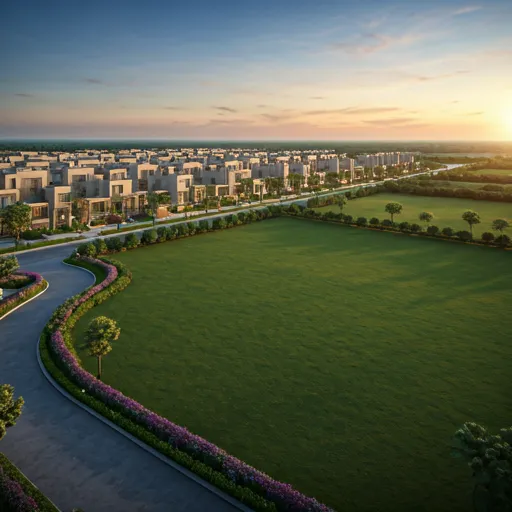
Recently inaugurated in Mumbai, the 22,500 sq. ft. centre offers visitors a glimpse into the proposed transformation of Dharavi, showcasing the vision for new homes, workplaces, roads, public spaces, transport connectivity and social infrastructure.
What makes this development particularly significant is the larger vision behind it — Mumbai 3.0.
Beyond Redevelopment: Building a More Connected Mumbai
Urban redevelopment is not only about replacing old structures with new ones. The real opportunity lies in creating neighbourhoods where housing, employment, mobility and essential infrastructure work together.
Dharavi has long been an important part of Mumbai’s economic and social fabric. Its transformation therefore represents more than a real-estate project. It presents an opportunity to rethink how a dense urban community can be integrated into the future growth of a global city.
The Experience Centre is an interesting step in this direction because it allows people to visualise what that future could look like before it becomes reality.
Dharavi is home to thousands of thriving micro-industries, leather artisans, pottery units, and recycling operations. Modernized workspaces must support and scale these economic engines.
Positioned at the geographical heart of Mumbai, integrated road networks, pedestrian concourses, and metro connectivity tie Dharavi directly to BKC, central business nodes, and outer corridors.
A sustainable community requires quality healthcare, accessible schools, open recreational grounds, and modern municipal services that elevate everyday quality of life.
Moving away from congested concrete footprints toward designed green spaces, planned urban drainage, and wide pedestrian thoroughfares that foster community engagement.
The Idea of Mumbai 3.0
Mumbai’s next phase of development will require more than physical expansion. It will require better connectivity, planned infrastructure and sustainable urban growth.
The vision presented around Mumbai 3.0 points towards a Mumbai where redevelopment and infrastructure development go hand in hand. Improved roads and transport links, modern housing, workplaces and public spaces can collectively contribute to a more connected urban ecosystem.
For the real-estate sector, this also reinforces an important point: the future of development is increasingly about creating ecosystems rather than simply creating buildings.
- Standalone tower construction
- Disconnected from broader regional transit
- Overlooked informal economy & workplace links
- Limited civic and open public spaces
- Master-planned multi-use neighborhoods
- Direct integration with multi-modal transport
- Built-in commercial & artisan workshops
- Abundant green parks and social amenities
Putting People at the Centre
One of the most important aspects of any large-scale redevelopment is the people who live and work there.
Dharavi is home to a vibrant residential and business community, with livelihoods deeply connected to the area. Any transformation therefore needs to consider not just the physical environment but also accessibility, economic opportunities and the continuity of livelihoods.
A people-centric approach can make urban redevelopment more meaningful and sustainable in the long term.
In any mega redevelopment, social cohesion and community trust are as vital as concrete and steel. Capital can finance towers, but the continuity of family livelihoods and local enterprise networks requires empathetic, transparent, and long-term planning. Genuine success lies in transforming lives, not just changing skylines.
What This Means for Mumbai’s Real Estate Future
Mumbai faces a unique challenge: limited land, high demand and the need to accommodate a growing population while improving the quality of urban life.
Projects such as Dharavi’s redevelopment demonstrate how regeneration can become an important part of Mumbai’s future. As infrastructure improves and previously underdeveloped or densely occupied areas are transformed, new opportunities can emerge for residential, commercial and social development.
For developers and stakeholders across the real-estate ecosystem, this is a reminder that the next chapter of Mumbai will be shaped by connectivity, collaboration, thoughtful planning and long-term vision.
Mumbai 3.0 is ultimately not just about building a newer Mumbai. It is about creating a Mumbai that is better connected, more inclusive and better prepared for the future.
“Mumbai 3.0 is not merely about building a newer Mumbai. It is about creating a city that is better connected, more inclusive and structurally prepared for the generations ahead.”
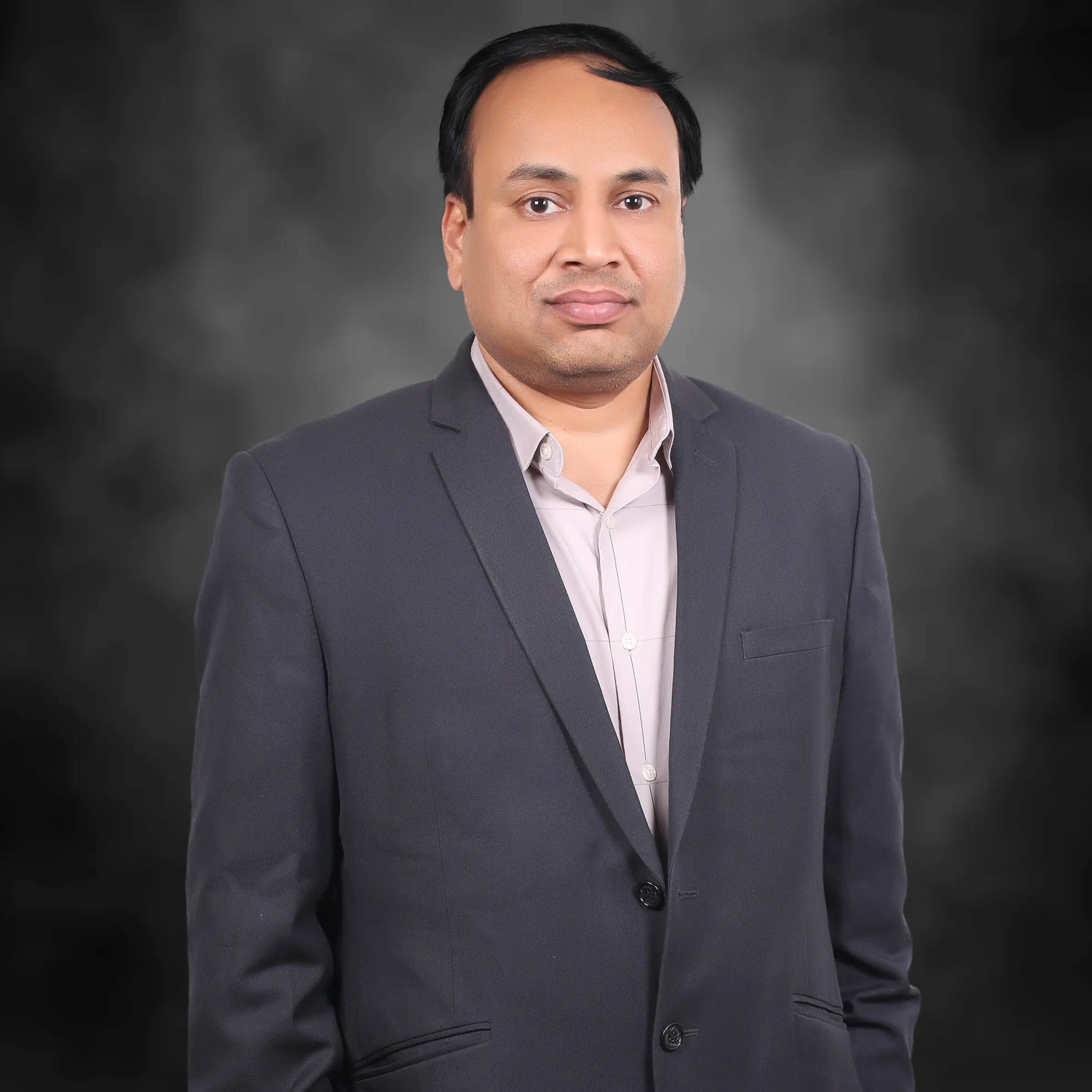
About Binod Agarwal
Binod Agarwal brings 16 years of service in the Indian Armed Forces and over 26 years of real estate, governance, and business experience across Navi Mumbai and Maharashtra. His philosophy has always anchored in clear titles, ground verification, and long-term generational wealth.