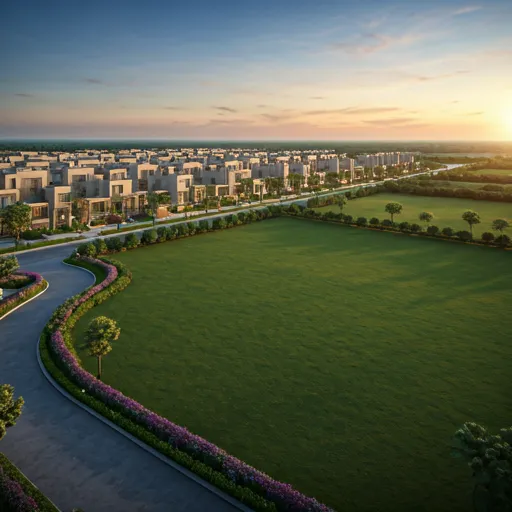
“When mobility improves, the impact extends far beyond shorter travel times. Better connectivity can influence where businesses operate, where people choose to live and where new development becomes viable.”
Mumbai is entering another important phase of urban transformation.
The Mumbai Metropolitan Region Development Authority (MMRDA) has tabled a ₹48,072 crore surplus budget for 2026–27, with significant emphasis on metro projects, tunnels and other major infrastructure initiatives. The scale and direction of this investment reflect a broader effort to strengthen connectivity and prepare the Mumbai Metropolitan Region for its next phase of growth.
At the centre of this larger transformation is the vision of Mumbai 3.0.
Infrastructure as the Foundation of Growth
Real estate and infrastructure have always been closely connected. When mobility improves, the impact extends beyond shorter travel times. Better connectivity can influence where businesses operate, where people choose to live and where new development becomes viable.
Mumbai’s growing metro network, underground infrastructure and road connectivity can therefore play an important role in shaping the city’s future development corridors.
For a city with limited land and high development demand, strengthening existing infrastructure and creating new connections becomes particularly important.
Subterranean tunnel projects—such as Orange Gate to Marine Drive and Thane–Borivali—bypass chronic surface congestion, slashing cross-city travel times drastically.
Interconnected metro lines weave through Mumbai, Thane, Navi Mumbai, and peripheral growth centers, creating affordable, predictable high-capacity mass transit.
Seamless corridors linking coastal freeways, Atal Setu (MTHL), and regional highways bind peripheral industrial and residential hubs into the central economic core.
Clustering commercial hubs, residential townships, and civic utilities around multimodal stations, reducing dependence on private vehicular transport.
The Growing Importance of Mumbai 3.0
Mumbai 3.0 represents a broader vision for the evolution of the Mumbai Metropolitan Region — one where infrastructure, mobility, housing and economic activity develop together.
Large-scale investments in metro connectivity and tunnels can help create a more integrated metropolitan region. Areas that were previously constrained by accessibility can gradually become better connected to employment centres, commercial districts and other parts of the city.
This can have a direct influence on the real-estate ecosystem.
As connectivity improves, the value of accessibility becomes increasingly important in determining the potential of a location.
Budget allocations represent political and administrative intent, but on-ground delivery requires tracking statutory approvals, land acquisition clarity, and physical execution milestones. Prudent property decisions must be anchored in sanctioned plans and verified ground progress rather than speculative announcements.
What It Means for Real Estate
From a real-estate perspective, infrastructure investment often creates opportunities beyond the immediate project.
New transport links can support the emergence of residential and commercial hubs, encourage redevelopment and make different parts of the metropolitan region more accessible.
For developers, this reinforces the importance of looking at real estate through a wider lens. A project does not exist in isolation. Its long-term potential is influenced by the surrounding infrastructure, mobility, employment opportunities and overall urban ecosystem.
-
1
Examine Official Regional Development Plans: Verify how transit alignments interact with sanctioned Regional Plans (RP) and Development Plans (DP), checking zoning and statutory reservations.
-
2
Scrutinize Complete 30-Year Title Deeds & Revenue Records: Inspect 7/12 extracts, Ferfar (mutation entries), and ensure clear, unencumbered freehold ownership with no litigation.
-
3
Distinguish Tenders from Civil Ground Execution: Monitor on-ground physical progress, civil engineering milestones, and realistic commissioning timelines before making financial commitments.
-
4
Verify Last-Mile Motorable Public Access: Ensure properties benefit from sanctioned, legal road access connecting directly into major transport nodes rather than unnotified private tracks.
-
5
Rely on Established Developers with Local Heritage: Partner with developers rooted in the region who possess clear land titles, legal transparency, and an unwavering long-term track record.
Building a More Connected Mumbai
Mumbai’s future growth will require coordination between infrastructure development and real-estate planning.
The scale of MMRDA’s proposed budget highlights the importance being placed on this process. Metro expansion, tunnels and other infrastructure projects can collectively contribute towards a Mumbai that is more connected and better equipped to accommodate future growth.
The idea of Mumbai 3.0, therefore, is not simply about building more.
It is about building smarter, connecting better and creating an urban ecosystem that can support Mumbai’s next generation of growth.
For the real-estate industry, this presents both an opportunity and a responsibility — to think beyond individual developments and contribute to the larger evolution of the city.
“The idea of Mumbai 3.0 is not simply about building more. It is about building smarter, connecting better and creating an urban ecosystem that can support the next generation of growth.”

About Binod Agarwal
Binod Agarwal brings 16 years of service in the Indian Armed Forces and over 26 years of real estate, governance, and business experience across Navi Mumbai and Maharashtra. His philosophy has always anchored in clear titles, ground verification, and long-term generational wealth.